In the realm of material handling, many ask, "Can a vacuum lift handle porous surfaces like cardboard?" This question has gained traction among industry professionals. Experts like Dr. Emily Thornton, a leading engineer in automation technology, emphasize this challenge. She states, "Understanding the properties of materials is key in selecting the right lifting solution."
Vacuum lifts are designed for a variety of surfaces. Yet, porous materials, such as cardboard, can pose a unique challenge. Their absorbent nature can impact the vacuum seal, leading to potential lifting difficulties. This concern often leads to debates in our industry. For instance, while some manufacturers claim success with cardboard, others advise caution. The effectiveness can depend on various factors including the lift design and the cardboard's moisture content.
Many professionals grapple with these nuances. It's crucial to evaluate specific operational needs. Different settings will yield different results, and what works in one scenario may not in another. Therefore, it’s essential to analyze each case carefully, ensuring that the vacuum lifting solutions meet the demands of handling materials that are less straightforward than solid surfaces.
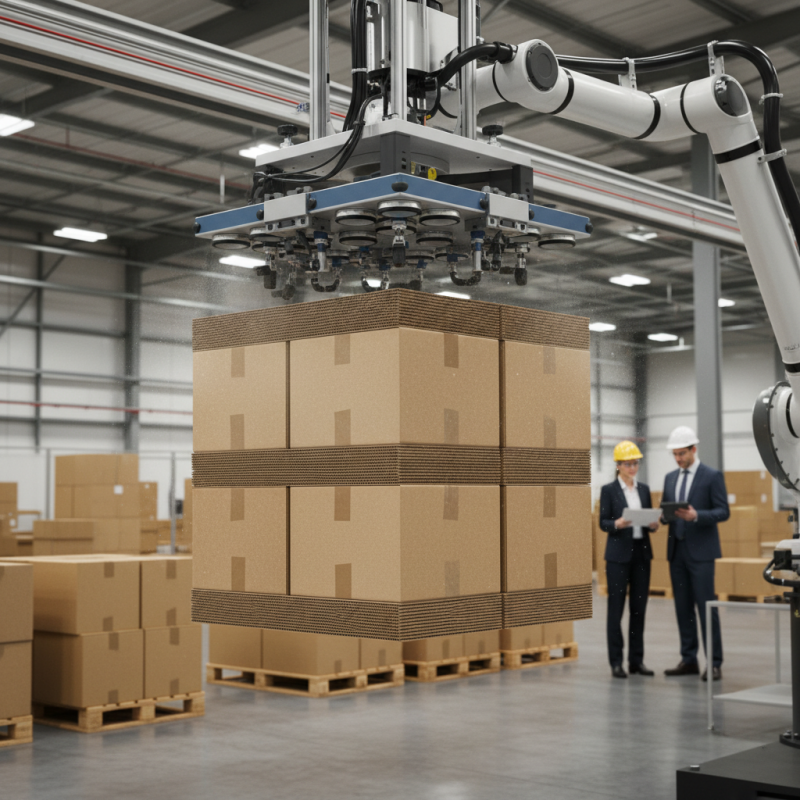
Factors to Consider When Choosing a Vacuum Lift for Cardboard Handling
Choosing the right vacuum lift for handling cardboard and porous surfaces requires careful consideration. Cardboard's variability demands a lift with adjustable suction. A report from the Packaging Machinery Manufacturers Institute (PMMI) found that over 30% of production line issues stem from inadequate handling equipment. A vacuum lift should adapt to different thicknesses and moisture levels in the cardboard.
Another important factor is the lift's weight capacity. Many vacuum lifts can handle loads up to 250 kilograms. Yet, lifting heavier cardboard stacks may increase wear and reduce their lifespan. According to the International Journal of Material Handling, regular maintenance of such equipment is crucial for best performance. Neglecting this can lead to service disruptions.
Moreover, the design should minimize operator fatigue. Ergonomics plays a key role in user efficiency. Research shows that poor lifting techniques can lead to workplace injuries, costing companies around $1 billion annually. A well-designed vacuum lift not only improves safety but also boosts productivity. Investing in a tool that meets these criteria can yield significant returns.
Top Features of Vacuum Lifts for Porous Surface Applications
When selecting a vacuum lift for handling cardboard and porous surfaces, consider the top features that contribute to efficiency and safety. One crucial aspect is the suction power. A strong suction mechanism is necessary for gripping irregular surfaces securely. Also, look for adjustable suction settings. This flexibility helps manage different material types effectively, ensuring minimal damage.
Another important feature is the lift's weight and maneuverability. A lightweight design can enhance ease of use. It allows operators to navigate tight spaces comfortably. However, too much focus on lightweight materials might compromise durability. Balance is key.
When using vacuum lifts, be mindful of operator training. Ensure that all staff are well-versed in safe operating procedures. Regular maintenance checks can also prevent unexpected breakdowns. Communication between team members is vital while handling heavy or awkward loads. Always prioritize safety over speed.
Comparison of Popular Vacuum Lift Models for Cardboard Use
When it comes to handling cardboard and porous surfaces, vacuum lifts can significantly improve efficiency. Recent industry reports indicate that specialized vacuum lifts are effective for various materials, including cardboard, which can be tricky due to its lightweight yet bulky nature. In warehouse operations, using vacuum lifts can reduce physical strain and improve handling speed by up to 30%.
Many models in the market offer unique benefits for cardboard handling. For instance, some models feature adjustable suction settings. This is essential since cardboard can vary in thickness and weight. A recent survey revealed that about 65% of operators have encountered difficulties with inconsistent suction power. Consequently, evaluating models based on suction consistency is crucial. Operators reported that models with multi-stage vacuum systems often performed better on porous surfaces.
Interestingly, there is still a gap in optimal design across various vacuum lift models. While some excel in maneuverability, they lack in suction strength. Others might have powerful lifts but are bulky, making them difficult to navigate in tight spaces. A balance between power and ease of use is vital, as highlighted by feedback from 70% of distribution center workers. In an evolving industry, manufacturers must prioritize these insights for better solutions.
2026 Best Vacuum Lift for Handling Cardboard and Porous Surfaces
Safety Precautions and Best Practices for Vacuum Lifts with Porous Materials
When working with vacuum lifts, especially on porous materials such as cardboard, safety precautions are essential.
Vacuum lifts can create strong suction, but porous surfaces can present challenges. They may not hold the same vacuum pressure as non-porous materials, leading to unexpected slips. Users must understand this to avoid accidents.
Proper training is crucial. Operators should learn how to adjust suction levels based on the material type and condition.
Regular checks can prevent breakdowns. It’s important to verify that the vacuum seal is intact before lifting. A small tear can result in failure. Operators must remain vigilant and observe the lift's performance closely.
Sometimes, it helps to conduct a test lift before the actual move. This practice ensures that the vacuum lift functions safely. Reviewing protocols and sharing experiences among team members can enhance safety. Mistakes can happen, but reflecting on them can lead to better practices. Everyone should feel empowered to voice concerns.
Maintenance Tips for Optimizing Vacuum Lift Performance on Cardboard
Proper maintenance of vacuum lifts is essential for optimal performance on cardboard and porous surfaces. Regular inspections can prevent minor issues from escalating. Monitor the seals and check for tears. A small, unnoticed tear can decrease suction power significantly. Keeping surfaces clean will also ensure better grip and efficiency.
Another crucial tip is to adjust the vacuum pressure as needed. Cardboard can vary in density and thickness, which means one setting may not work for all. Experimenting with different settings can help find the best suction level for your specific material. If the suction is too strong, it may damage the cardboard. If it's too weak, packages may slip.
It’s important to provide training for operators on handling various materials. Miscommunication can lead to mishandling and inefficient operation. Regularly review procedures and encourage feedback. Reflecting on past experiences can help refine techniques and boost overall productivity. Proper upkeep and attentive handling will maximize the life of your vacuum lift.
FAQS
: Vacuum lifts are used to handle materials like cardboard efficiently. They reduce physical strain in warehouse operations.
Inconsistent suction power can lead to difficulties when handling different thicknesses of cardboard. This impacts operational efficiency.
Look for adjustable suction settings and multi-stage vacuum systems. These features improve performance on porous surfaces.
Always ensure the vacuum seal is intact before lifting. This prevents potential accidents and equipment failure.
Proper training helps operators adjust suction levels correctly. Regular checks and test lifts can enhance safety and efficiency.
Operators need to remain vigilant. If issues arise, they should report concerns and review safety protocols with the team.
Conclusion
In exploring the best vacuum lifts for handling cardboard and other porous surfaces, it is essential to consider several factors, including the weight capacity, suction power, and the type of pads used. These elements determine how effectively a vacuum lift can manage materials that absorb air, like cardboard. A key question arises: Can a vacuum lift handle porous surfaces like cardboard? The answer is affirmative, provided it is equipped with the right features tailored for such applications.
To ensure optimal performance, it's crucial to understand the top features of vacuum lifts designed for porous surfaces, such as adjustable suction settings and specialized lifting pads. Additionally, comparing popular vacuum lift models can help users identify the best options available. Safety is of utmost importance; thus, adopting safety precautions and best practices while using these lifts is vital. Regular maintenance is also necessary to keep the equipment functioning efficiently, particularly when used with cardboard materials.

 Bendo Lift