How to Effectively Use a Vacuum Lift for Heavy Stone Slabs?

Time:2026-04-03 Author:Mason
0%

When handling heavy stone slabs, safety and efficiency are paramount. A vacuum lift can transform the way you manage these materials on-site. This guide addresses the important question: "How to use a vacuum lift for heavy stone slabs?" Understanding this technique requires both practical experience and specific knowledge of equipment handling.

Using a vacuum lift allows for easier maneuvering of heavy slabs. However, improper use can lead to accidents or damage. Ensuring that you have the right vacuum lifter is essential. It should match the size and weight of the stone you are moving. Always check the weight limits. Regular maintenance of the vacuum lift enhances reliability, ensuring it functions correctly.

Take time to practice using the vacuum lift. Even experienced workers sometimes struggle with new equipment. It’s wise to reflect on past mistakes and learn from them. Misjudging the lift's capacity can lead to slips. Always keep safety as your top priority. Proper training and adherence to guidelines will pave the way for effective use of a vacuum lift in your projects.
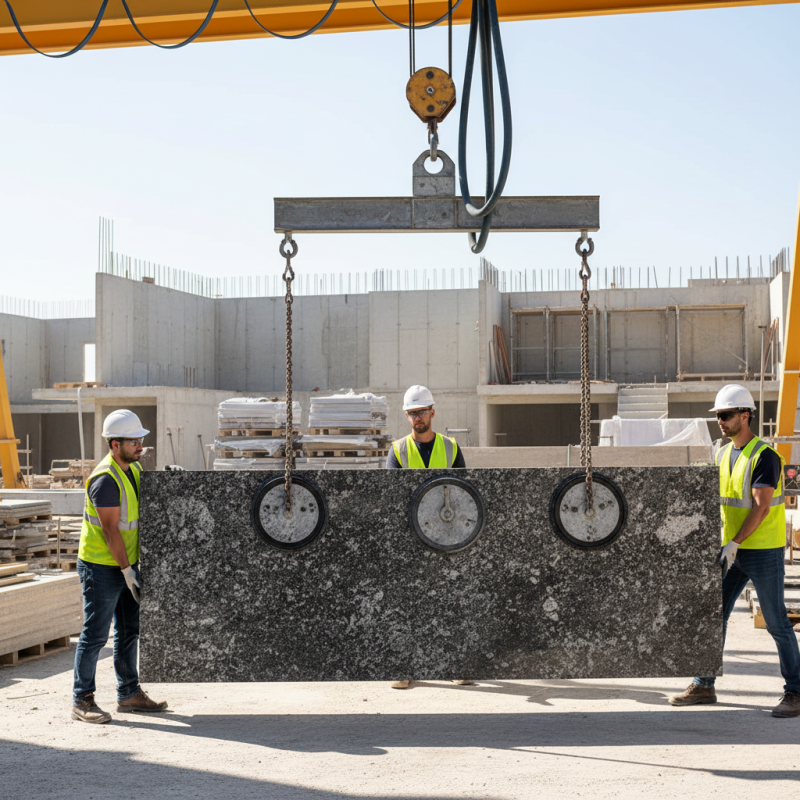
How to Effectively Use a Vacuum Lift for Heavy Stone Slabs?

How Vacuum Lifts Improve Safety When Handling Heavy Stone Slabs

Handling heavy stone slabs poses significant risks. Workers are often exposed to injury from lifting errors. According to a report by the Occupational Safety and Health Administration (OSHA), over 30% of lifting injuries occur in the construction industry, particularly with materials like stone. Vacuum lifts address these dangers by providing a safer method of handling heavy slabs.

Vacuum technology eliminates the need for manual lifting, reducing strain. When using vacuum lifts, operators can move slabs weighing over 1,000 pounds with ease. Studies indicate that using these devices can lower injury rates by up to 50%. Moreover, vacuum lifts enhance precision and control during installation, reducing the risk of accidents. However, user training remains crucial. Improper usage can lead to hazards, such as slab slips or equipment failure.

Maintaining vacuum lifts is another area that requires attention. Regular inspections ensure optimal performance. A failure in the vacuum system can expose workers to risks. Consequently, operators must be trained to recognize warning signs. Despite these challenges, the benefits of vacuum lifts are undeniable. They provide an effective solution for improving worker safety while accommodating the growing demand for heavy stone installations.

Understanding the Different Types of Vacuum Lifters for Stone Handling

When selecting a vacuum lifter for stone handling, understanding the types is crucial. There are two main categories: flat and angled lifters. Flat lifters are ideal for moving large slabs horizontally. They distribute weight evenly, reducing the risk of slippage. On the other hand, angled lifters allow for better grip on slabs with varying thicknesses.

Different models may vary in capacity and suction power. Some lifters have a single vacuum pump, while others use multiple pumps to create a stronger hold. This choice affects how safely you can lift heavier slabs. It's vital to choose a lifter that matches the specific weight of the stone you are handling.

Using a vacuum lifter requires care. Operators must check the vacuum's integrity regularly. A small leak can lead to a dangerous drop. Training your team on proper techniques is just as important. They should understand how to position the lifter for optimal performance. Ensure that everyone knows the limitations of the equipment. Mistakes can happen due to overconfidence in machinery that is not suitable for the task.

Key Features of Effective Vacuum Lifts for Heavy Stone Slabs

When using vacuum lifts for heavy stone slabs, certain key features significantly enhance their effectiveness. A robust vacuum system is crucial. According to industry reports, a reliable vacuum pump can reach suction levels of 25 inches of mercury or more. This ensures secure lifting of hefty materials. Additionally, the lifting pads must be made from durable, non-slip materials. High-quality rubber can improve grip, preventing accidental drops.

Proper weight distribution is another important aspect. Many users overlook how crucial this is. Evenly distributed weight can increase safety and efficiency. Data indicates that uneven weight can lead to a 30% higher risk of accidents during handling. Ensuring the vacuum lifter has an adjustable frame allows for versatility in different stone slab sizes.

Regular maintenance of the vacuum system is vital as well. Studies show that inadequate maintenance can reduce effectiveness by up to 40%. Checking seals and vacuum levels frequently can prevent sudden failures. However, it's common for operators to forget this step. In the fast-paced construction environment, prioritizing consistent inspections can sometimes take a backseat. Finding a balance between speed and safety will ultimately lead to better outcomes.

Industry Standards and Best Practices for Using Vacuum Lifts

When it comes to safely handling heavy stone slabs, vacuum lifts play a crucial role. According to industry standards, a well-designed vacuum lift can hold loads of up to 1,500 pounds. However, improper use can lead to accidents. Ensuring the vacuum seal is intact before lifting is essential. Regular maintenance checks are necessary to avoid potential malfunctions.

Training operators is vital. A study from the Occupational Safety and Health Administration (OSHA) found that over 30% of accidents occur due to inadequate training. Operators should be familiar with the equipment's limitations and requirements. It's also important to assess the surface conditions of the stone slabs, as clean and dry surfaces provide better suction.

Emphasizing the importance of protocols is often overlooked. Documenting standard operating procedures can mitigate risks. Even with the best equipment, human error remains a concern. Operators must remain vigilant, constantly reviewing procedures and processes. Reflection on past lifting tasks can provide insights into improving safety measures. Adhering to these practices will enhance efficiency while ensuring personnel safety in stone handling operations.

Maintaining Vacuum Lifters: Essential Tips for Longevity and Performance

Maintaining vacuum lifters is crucial for their longevity and effectiveness. Regular inspections can prevent minor issues from becoming major problems. Check the seals frequently. A worn or damaged seal can lead to a loss of suction, directly impacting performance. Clean the lifter’s surfaces regularly to remove debris that can compromise functionality.

Temperature variations can also affect performance. Avoid exposing vacuum lifters to extreme heat or cold. Store them in controlled environments when not in use. Additionally, ensure that the vacuum pump is regularly maintained and serviced. This will keep it operating efficiently and extend its life.

Keep in mind that even with proper care, vacuum lifters may occasionally fail. It's essential to have a backup plan in place. Consider training team members to troubleshoot minor issues. Understanding how these systems work can lead to better maintenance practices. Ultimately, a proactive approach to maintenance always yields better results in the long run.

How to Effectively Use a Vacuum Lift for Heavy Stone Slabs? - Maintaining Vacuum Lifters: Essential Tips for Longevity and Performance

Aspect Details
Weight Capacity Up to 2,000 lbs (900 kg)
Material Compatibility Granite, Marble, Quartz, and other non-porous materials
Vacuum Pump Type Electrically powered rotary vane pump
Operating Vacuum Level 18-25 inHg (approximately 610-850 mmHg)
Maintenance Frequency Every 6 months
Common Issues Leakage, Loss of suction, Pump failure
Safety Precautions Check seals, Test lift before use, Use PPE
Lifter Weight 50-100 lbs (22-45 kg)

FAQS

: What are the risks associated with handling heavy stone slabs?

: Handling heavy stone slabs can lead to significant injuries due to lifting errors and strain.

How can vacuum lifts improve safety?

Vacuum lifts allow operators to lift heavy slabs easily, reducing the risk of injury significantly.

What is the weight capacity of a vacuum lift?

A well-designed vacuum lift can typically hold loads up to 1,500 pounds.

Why is training important for operators?

Over 30% of accidents result from inadequate training, highlighting the need for proper operator education.

What maintenance do vacuum lifts require?

Regular inspections and maintenance checks are essential to ensure vacuum lifts function correctly and safely.

How does surface condition affect vacuum lift performance?

Clean and dry surfaces enhance suction, making it crucial for effective operation and safety.

What role do standard operating procedures play?

Documented procedures help mitigate risks and guide operators in safe lifting practices.

Can human error still pose a risk with vacuum lifts?

Yes, despite advanced equipment, human error can lead to accidents if protocols are not followed.

What should operators do to improve safety continuously?

Reflecting on past lifting tasks can identify areas for improvement in safety measures and practices.

Are there any potential hazards associated with improper use of vacuum lifts?

Improper use can cause slab slips and equipment failure, creating dangerous situations for workers.

Conclusion

In the article "How to Effectively Use a Vacuum Lift for Heavy Stone Slabs," we explore how vacuum lifts significantly enhance safety and efficiency in handling heavy stone slabs. Understanding the different types of vacuum lifters available for stone handling is crucial, as each type serves specific needs depending on the application. Key features to look for in effective vacuum lifts include robust suction capabilities, adjustable lifting mechanisms, and user-friendly controls, ensuring that operators can safely and efficiently manage heavy materials.

Moreover, adhering to industry standards and best practices is essential when using vacuum lifts to mitigate risks associated with heavy stone handling. The article also provides valuable tips for maintaining vacuum lifters, which is critical for their longevity and performance. For those wondering how to use a vacuum lift for heavy stone slabs, this guide highlights the importance of training and proper operational procedures to achieve optimal results while ensuring workplace safety.

Mason

Mason

Mason is a seasoned marketing professional with a deep expertise in the company's offerings and a passion for driving brand awareness. With a strong background in digital marketing strategies, he has an innate ability to connect with diverse audiences and effectively communicate product benefits.......