Top 10 Tips for Moving Mobile Vacuum Lifts on Uneven Floors?

Time:2026-05-25 Author:Oliver
0%

Moving a mobile vacuum lift across uneven floors may seem daunting, but with the right approach, it can be manageable. Proper techniques ensure safety and efficiency. Understanding "How to move a mobile vacuum lift across uneven floors?" is essential for any operator. Uneven surfaces can pose a risk, not just for the equipment but also for workers. This is where careful planning becomes crucial.

Consider the layout of the area before you start moving. Identify any obstacles and potential hazards. Use tools like leveling devices if necessary. Operators should also assess the weight and balance of the vacuum lift. Ensuring a stable lift is key when navigating bumpy terrain.

Experience counts in this task. Those who have moved equipment on uneven floors may offer insights that can be invaluable. Reflecting on past challenges can lead to improved methods in the future. Take the time to learn and adapt. A thoughtful approach can create a safer moving environment.
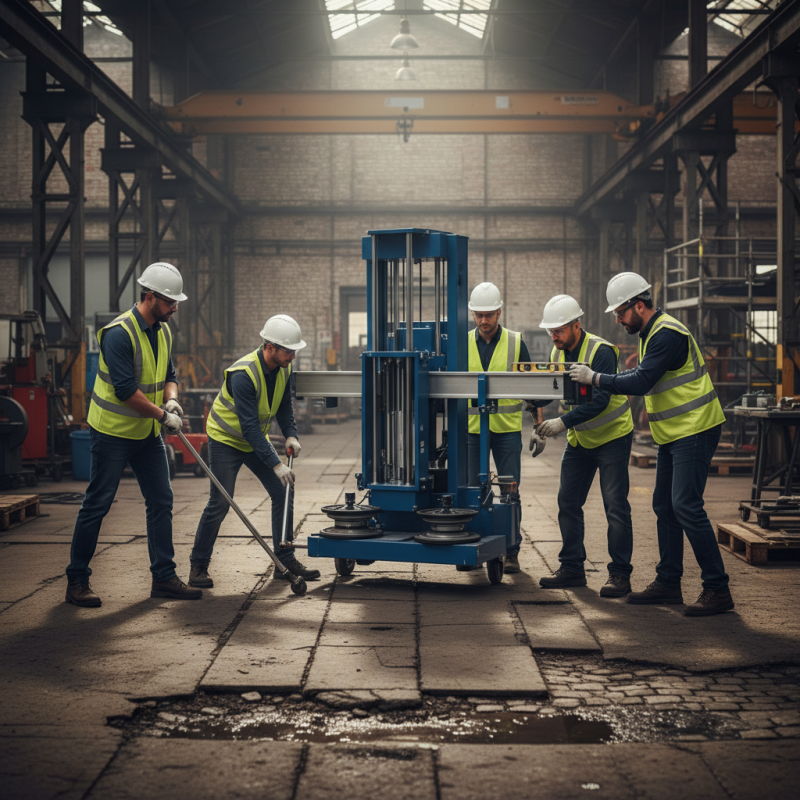
Top 10 Tips for Moving Mobile Vacuum Lifts on Uneven Floors?

Understanding the Basics of Mobile Vacuum Lifts for Uneven Floors

Mobile vacuum lifts provide an efficient solution for transporting goods in settings with uneven floors. These lifts rely on suction power, allowing them to navigate through various terrains effectively. This process helps reduce the physical strain on workers. Understanding how these lifts operate is essential for their effective use.

When dealing with uneven surfaces, there are a few key considerations. Assess the environment before moving the lift. Look for potential obstacles and slopes that might disrupt stability. Using a lift without proper analysis can lead to accidents. Attention to detail is crucial to maintaining safety and efficiency.

Training personnel on navigating uneven grounds is also vital. Workers should practice maneuvering the lift in different scenarios. This will reduce the likelihood of errors during actual use. Regular maintenance checks can ensure that the lift operates optimally. Neglecting wear and tear might compromise performance and safety.

Assessing the Condition of Your Floors Before Moving the Lift

Assessing the condition of your floors is crucial before moving mobile vacuum lifts. Uneven surfaces can pose significant risks. According to industry reports, over 30% of accidents involving heavy equipment occur due to inadequate floor assessments. Therefore, evaluating the flooring is essential to prevent damage to both the equipment and the building.


Start by inspecting the floor for cracks, holes, or other irregularities. A study published by the Occupational Safety and Health Administration (OSHA) found that uneven flooring can lead to increased wear on machinery, potentially costing businesses thousands in repairs. Ensure the surface can support the weight of the vacuum lift. Ignoring this can lead to structural issues. Assess the flooring material as well. Concrete, tile, or carpeted surfaces will react differently under load.


Consider using leveling pads or ramps if your floors are excessively uneven. These tools can distribute the weight more evenly and reduce stress on both the lift and the floor structure. Remember, even minor imperfections can lead to significant operational challenges over time. It’s wise to take a proactive approach when evaluating your workspace's conditions. Ignoring these factors could jeopardize safety and efficiency.

Step-by-Step Procedure for Safely Moving the Vacuum Lift

When it comes to moving mobile vacuum lifts on uneven floors, safety and technique are crucial. Start by conducting a thorough inspection of the lift and the surrounding area. Check for any obstacles, debris, or changes in flooring level. Engage with your team, involving everyone in discussions about potential hazards. Good communication can prevent accidents.

Tip: Always position the lift on a solid surface. If possible, use leveling pads to stabilize the lift. This prevents tipping when moving. When navigating, make slow, controlled movements. Avoid rushing as it increases the risk of mishaps. If the terrain is especially challenging, consider using a spotter to guide the lift, ensuring a smooth transition.

Step-by-step, assess the weight distribution before attempting to move. Be mindful of how the lift's load shifts when repositioning. Keep an eye on your surroundings throughout the process. Paying attention to shifts in balance is crucial. Finally, after relocating the lift, take a moment to evaluate the new position. Confirm that it is safe and appropriate for its intended use.

Techniques to Stabilize the Mobile Lift on Uneven Surfaces

When moving mobile vacuum lifts on uneven floors, stability is key. Uneven surfaces present a challenge, but you can use specific techniques to ensure safety. For instance, deploying adjustable leveling legs can provide immediate support. These legs help balance the lift on sloped areas. Make sure to check the ground beneath the lift. A messy surface can create additional risks.

Using weight distribution methods also enhances stability. Placing heavier items low in the lift can lower its center of gravity. This is especially useful on inclines. It’s wise to evaluate the lift's load capacity. Overloading can lead to tipping or malfunction.

Another option is to use rubber mats on rugged surfaces. These mats improve grip and reduce the risk of slipping. Consider the condition of the ramps as well. They should be free from debris and well-maintained. Ensure that everything is in order before operation. Even small oversights could lead to accidents. Regular training sessions on handling these lifts can enhance safety measures significantly.

Top 10 Tips for Moving Mobile Vacuum Lifts on Uneven Floors

Common Mistakes to Avoid When Using Vacuum Lifts on Uneven Floors

Using vacuum lifts on uneven floors can be challenging, yet many overlook critical issues. One common mistake is failing to assess the floor's condition before moving. Uneven surfaces can lead to instability. Take time to inspect the area. Look for cracks, gaps, or protrusions that may impact lift performance.

Another common error is ignoring the load limits specified for the lift. Users often overestimate capabilities, leading to potential accidents. Always follow manufacturer guidelines closely. Additionally, not securing the lift properly can cause it to tip or shift unexpectedly on uneven terrain. Use stabilizers or additional supports when necessary.

Communication is key. Often, users neglect to inform their team about changing conditions. A simple check-in could prevent mishaps. Also, rushing through the moving process can lead to oversight. Move carefully and deliberately, paying attention to how the lift reacts to the surface beneath. These steps enhance safety and effectiveness while using mobile vacuum lifts.

Top 10 Tips for Moving Mobile Vacuum Lifts on Uneven Floors

Tip Number Tip Common Mistake Advice
1 Assess the Floor Surface Ignoring surface materials Use a surface assessment checklist
2 Check Weight Capacity Overloading the lift Follow manufacturer guidelines
3 Use Stabilizers Not deploying stabilizers Always deploy stabilizers on uneven surfaces
4 Practice Maneuvering Lack of operator training Conduct training sessions regularly
5 Inspect Equipment Neglecting regular maintenance Schedule monthly inspections
6 Plan the Route Starting without a clear plan Map out the most stable path
7 Avoid Slopes Using lifts on steep inclines Seek alternative paths without steep slopes
8 Use Appropriate Tires Using tires not suited for terrain Choose all-terrain tires
9 Communicate with Team Lack of coordination Use hand signals or radios for clarity
10 Take Breaks as Needed Pushing through fatigue Schedule regular breaks for safety

FAQS

: What should I do before moving a vacuum lift?

: Inspect the lift and the area. Check for obstacles or changes in flooring.

How can I ensure the lift is stable during movement?

Position the lift on a solid surface. Use leveling pads to stabilize it.

What is a good technique for navigating uneven floors?

Move slowly and controlled. Avoid rushing to lower accident risks.

Is there a specific way to assess weight distribution?

Check the load shifting as you reposition the lift. Stay aware of balance changes.

Why is communication important while moving the lift?

Keep your team informed about hazards. It prevents accidents and enhances safety.

What happens if I don't follow load limits?

Ignoring load limits can lead to accidents. Always follow provided guidelines closely.

How can I prevent the lift from tipping?

Secure the lift properly using stabilizers or supports, especially on uneven surfaces.

What should I do after relocating the lift?

Evaluate the new position for safety. Confirm it is appropriate for use.

Can rushing during the moving process cause problems?

Yes, hurrying may lead to mistakes. Move deliberately to avoid oversights.

What should I do if the terrain is challenging?

Consider using a spotter to guide the lift. This ensures a smoother movement.

Conclusion

Moving a mobile vacuum lift across uneven floors can be challenging, but with the right understanding and techniques, it can be done safely and effectively. To begin with, it's essential to grasp the basics of how these lifts operate and the particular challenges posed by uneven surfaces. Before attempting to move the lift, carefully assess the condition of your floors to identify any potential obstacles or hazards.

When moving the vacuum lift, follow a step-by-step procedure that prioritizes safety. Utilize techniques to stabilize the lift, ensuring it remains balanced on uneven surfaces. Additionally, be aware of common mistakes that can lead to accidents or damage, such as rushing the process or neglecting to secure the lift properly. By learning how to move a mobile vacuum lift across uneven floors, you can enhance efficiency and safety during your lifting operations.

Oliver

Oliver

Oliver is a seasoned marketing professional with a wealth of expertise in driving brand awareness and engagement. With a deep understanding of our company's product offerings, he consistently delivers high-quality content that enriches our professional blog. His insights not only shed light on......