When facing the challenge of "Why is my vacuum lift not reaching full pressure?", understanding the underlying issues is crucial. Dr. Emily Carter, a leading expert in vacuum technology, states, "Even minor leaks can significantly impact your vacuum lift's performance." This highlights the importance of identifying and addressing common problems.
Many factors can contribute to insufficient pressure in a vacuum lift. These include leaks in hoses, improper seals, or even the vacuum pump's condition. Regular maintenance can prevent many of these issues. It’s essential to examine all components carefully.
However, not every situation is straightforward. Sometimes, the source of the problem remains elusive. Identifying the root cause requires patience and experience. Troubleshooting can be frustrating, but it leads to better understanding. Acknowledging gaps in knowledge is the first step toward improvement. By focusing on these aspects, you can ensure your vacuum lift operates at peak performance.
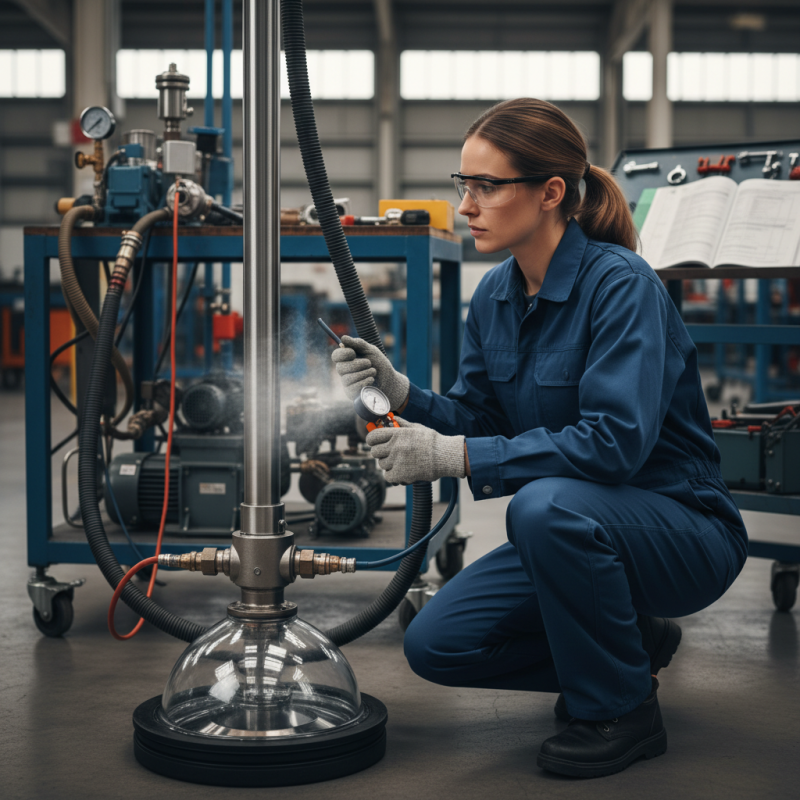
Understanding the mechanics behind vacuum lift is critical for optimal performance. Vacuum lift relies on pressure differences to create suction. A well-functioning system can generate lift up to 90% of atmospheric pressure. However, several factors can hinder this efficiency. For example, leaks in seals or hoses can create noticeable pressure drops, preventing the desired lift.
In a 2021 study, researchers noted that 30% of vacuum systems experience issues due to wear and tear on components. Regular maintenance is essential for detecting these problems. Sensors designed to monitor pressure levels can also play a vital role. They provide real-time data, enabling quick adjustments. This proactive approach can help maintain ideal pressure, ensuring efficient operation.
Understanding the physics of pressure dynamics offers valuable insights. The ideal vacuum lift should be consistent. If fluctuations are frequent, users must troubleshoot. Analyzing the system can reveal hidden inefficiencies. Checking connections and verifying calibration could highlight undetected faults. This type of reflective practice is crucial for sustaining vacuum lift performance.
Vacuum systems are essential for many applications, from industrial processes to home cleaning. If your vacuum lift is not achieving full pressure, several common issues could be at play. One of the primary causes is leaks in the system. Hose cracks or loose fittings can significantly reduce pressure. Regularly inspecting your hoses and connections can help identify these leaks before they become problematic.
Another factor might be a clogged filter. Dust and debris can accumulate over time, impeding airflow. If the filter is dirty, the vacuum cannot operate efficiently. Cleaning or replacing your filter regularly can maintain optimal performance. It's also essential to check the vacuum pump itself. If the pump is worn or malfunctioning, it may not generate the necessary pressure, leading to inadequate lift.
Lastly, consider the weight of the materials you're trying to lift. The vacuum lift may struggle with heavier loads if it's not designed for them. Reassessing your load requirements is crucial. Adjusting the setup or mechanics of your vacuum system can often lead to improvements. Taking these detailed steps may enhance your vacuum's performance significantly.
Troubleshooting low vacuum pressure can be frustrating. Various factors could affect the performance of your vacuum lift. Start by examining the basic components for any visible wear or damage. Look for cracks in hoses or loose fittings. These can lead to air leaks, preventing your system from reaching proper pressure.
Check the filters next. Clogged filters restrict airflow, causing pressure drops. If the filters are dirty, replace or clean them according to the manufacturer's recommendations. Monitor the seals as well. Worn seals can compromise the vacuum system, impacting overall pressure levels.
Tips: Regular maintenance is key. Clean components often to ensure optimal performance. Keep a close eye on changes in suction strength; they can indicate underlying issues. Don't ignore strange noises; they might signal a problem. If the vacuum still fails to perform, consult a professional for more in-depth analysis. A little prevention can save you time and resources in the long run.
This chart illustrates the impact of various issues on vacuum lift pressure levels. The data indicates the pressure readings in inches of mercury (Hg) under different circumstances. Identifying these issues is crucial for maintaining optimal vacuum performance.
Vacuum systems depend on proper maintenance for optimal performance. A vacuum lift not reaching full pressure can be frustrating. Over time, dust and debris can accumulate in filters and hoses. Regularly check and clean these components to maintain airflow. It’s simple yet often overlooked.
Another common issue is worn seals or gaskets. These parts can degrade due to constant use. Inspect them frequently for cracks or tears. Replacing a seal might seem tedious, but it's crucial for maintaining vacuum strength. Use a high-quality replacement to ensure durability.
Lastly, monitor the vacuum pump's oil levels. Low oil can lead to poor performance. Change the oil based on your usage frequency. Keep a log to track this maintenance. A bit of diligence now can save you headaches later. Don't neglect these small tasks; they add up to significant changes.
Vacuum lifts are essential for safe and efficient material handling. However, if your vacuum lift is not reaching full pressure, it might signal deeper issues. Data from industry reports indicate that nearly 30% of vacuum lift failures are attributed to improper maintenance. Ensuring regular checks can prevent minor hiccups from escalating.
Monitoring the air supply system is crucial. Reports show that over 40% of vacuum lift problems arise due to leaks in hoses or fittings. If you notice a drop in performance, inspect these components closely. Furthermore, poor alignment can also affect the vacuum's efficiency.
If you’re uncertain about these checks, consulting a professional is wise. Even experienced operators can overlook subtle signs of trouble. Strange noises or unexpected cycling times should not be ignored. Delaying professional help could lead to costly repairs or a potential safety hazard. Seeking expert assistance early can save time and resources, ensuring the vacuum lift operates optimally.
Use qualified technicians familiar with your system for proper diagnosis and repair.
: Vacuum lift creates suction through pressure differences in the system.
An efficient vacuum system can generate lift up to 90% of atmospheric pressure.
Leaks in seals or hoses often lead to significant pressure drops.
About 30% of vacuum systems experience problems from wear and tear.
Installing sensors to monitor pressure levels can provide real-time performance data.
Begin by examining basic components for visible wear or damage.
Clogged filters can restrict airflow, leading to drops in pressure.
Worn seals can compromise the system, impacting overall pressure levels.
Changes in suction strength or strange noises may indicate problems.
Consult a professional for a more detailed analysis if problems persist.
The article titled "Why Is My Vacuum Lift Not Reaching Full Pressure?" explores the complexities of vacuum lift mechanisms and the intricate dynamics of pressure that influence their performance. It begins by explaining how vacuum systems work, followed by a discussion of common issues that can lead to insufficient vacuum lift pressure, such as leaks or blockages in the system.
To address these challenges, the piece outlines essential troubleshooting steps that users can take to diagnose and resolve low vacuum pressure issues. Additionally, it provides maintenance tips aimed at optimizing vacuum performance, ensuring systems operate efficiently over time. Lastly, the article emphasizes the importance of knowing when to seek professional assistance, advising that persistent problems may require expert evaluation for effective resolution.

Bendo Lift