How Does a Vacuum Lift Operate in Humid Conditions?

Time:2026-08-26 Author:Mason
0%

In industrial applications, vacuum lifts play a crucial role in material handling. Understanding how a vacuum lift operates in various conditions is essential for optimal efficiency. Particularly, the question arises: "How does a vacuum lift work in high humidity environments?" This inquiry is vital for industries located in humid regions or those dealing with moisture-sensitive materials.

High humidity can affect the adhesive properties of vacuum systems. When moisture is present, the vacuum seal may become less effective. It leads to concerns over load security and safety. Designing vacuum lifts for these conditions requires specialized materials and configurations to mitigate moisture impact. The technical aspects become more complex, demanding a deeper understanding of engineering principles.

Moreover, real-world challenges often arise. Operators may notice that standard vacuum lifts struggle in humid settings. Equipment might require frequent maintenance checks. Identifying these issues enhances reliability and extends operational lifespans. Ultimately, exploring how vacuum lifts cope with humidity not only informs best practices but also highlights the need for continuous improvement in technology and application methods.
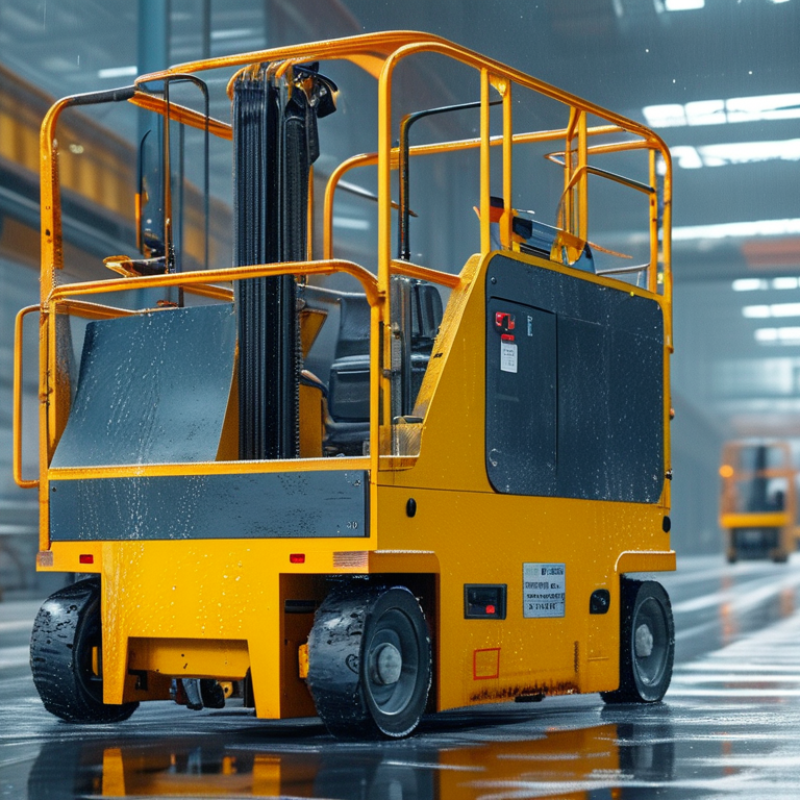
How Does a Vacuum Lift Operate in Humid Conditions?

How Vacuum Lift Systems Function in Humid Environments

Vacuum lift systems are designed to handle a variety of loads, but operating in humid conditions can pose challenges. Moisture can affect the efficiency of the vacuum seal. This leads to potential issues during the lifting process. The presence of humidity can introduce variables in the adhesion between the vacuum pads and the material being lifted. It is essential to evaluate these factors to maintain safety and effectiveness.

When humidity levels rise, the risk of condensation increases. This can create a slippery surface on the load. If not managed properly, this slippery condition can result in slippage or drops. Regular maintenance and inspections become critical in these environments. Operators should consider the impact of humidity on their vacuum lift’s performance and adjust their processes accordingly.

Additionally, some vacuum lift systems may not perform optimally in high humidity. It’s vital to understand the specifications of the equipment. Adapting technology or utilizing different vacuum pads might mitigate some issues. However, there isn’t a one-size-fits-all solution. Each operation might require unique adjustments based on humid exposure. Learning from experiences in these situations can refine operational techniques.

Impact of Humidity on Vacuum Seal Integrity in Lifting Operations

The integrity of vacuum seals is crucial for lifting operations, particularly in humid conditions. High humidity can introduce moisture that may compromise the vacuum's effectiveness. A study by the International Journal of Industrial Automation indicated that humidity levels above 70% can reduce holding force by up to 30%. This can lead to unsafe lifting scenarios, as the load may slip unexpectedly.

It is important to consider materials used in vacuum lifting systems. Materials with low water absorption rates can help mitigate the impact of humidity. However, even the best materials may not completely eliminate risks. Regular maintenance and testing are essential. Inspections should focus on seal integrity, especially after heavy rains or in humid environments.

Additionally, the use of advanced sensors to monitor vacuum levels can provide real-time data. Knowing when the vacuum seal has weakened allows operators to act before problems arise. Future developments in vacuum technology may further improve reliability in such conditions. However, users must remain cautious and consistently evaluate their lifting systems.

Technological Advances in Vacuum Lift Design for High Humidity Areas

In regions with high humidity, vacuum lift systems face unique challenges. The presence of moisture can affect the adhesion and performance of these systems. However, technological advancements have led to innovations that enhance the reliability of vacuum lifts in such environments.

Modern vacuum lifts are equipped with humidity-resistant materials. These materials help prevent corrosion and degradation. Additionally, advanced sealing technologies ensure a tighter grip, even when surrounded by damp conditions. Engineers focus on creating robust vacuum generation systems that maintain performance despite humidity variations.

Some operators report that even with upgrades, inconsistencies can arise. Frequent maintenance checks are crucial to mitigate issues like reduced suction due to moisture accumulation. While improvements are evident, ongoing research is necessary. The goal is to achieve ultimate reliability in challenging environments. Optimizing vacuum lift performance in humid areas remains an evolving challenge.

Industry Standards for Vacuum Lift Performance in Moist Conditions

In humid conditions, vacuum lifts face unique challenges that can affect their performance. Industry standards highlight the importance of material selection and design configurations. According to a report by the International Vacuum Association, ensuring adequate sealing solutions is critical in environments with elevated moisture levels. Standard recommendations suggest using specialized gaskets that can withstand humidity while maintaining a reliable seal.

Elevated humidity can lead to condensation, which impacts the vacuum strength. A study from the American Society of Mechanical Engineers emphasizes that lift operators should regularly monitor environmental conditions. Operators may need to adjust vacuum levels or implement additional drying systems to counteract moisture effects.

When operating in moist conditions, it is vital to ensure regular maintenance checks. Keeping components clean and functioning properly prevents humidity-related issues. Install air dryers or moisture traps in designated areas to enhance vacuum reliability. Regularly assess the vacuum pads for wear, as moisture can accelerate degradation. Taking proactive measures can enhance the performance and longevity of vacuum lifts in humid environments.

Case Studies: Vacuum Lift Applications in Humid Climates Across Sectors

Vacuum lifts are essential in many sectors, especially in humid climates. Industries like food processing, pharmaceuticals, and logistics often rely on them. Humidity can affect how these systems perform. For instance, moisture may hinder the vacuum's effectiveness, causing items to slip or be inadequately lifted.

Case studies reveal interesting insights. In tropical regions, manufacturers modified their vacuum lifts. They used more resistant materials to combat corrosion. This adaptation not only maintained performance but also enhanced longevity. Each sector faces unique challenges. For example, a bakery's humidity can cause dough to stick, complicating the lifting process.

Consider these practical suggestions. Regular maintenance is crucial in humid environments. Inspect seals and components frequently. Ensure there is no moisture buildup in the system. Another effective approach is using desiccants. They can help absorb excess humidity, improving vacuum efficiency. Understanding the local climate helps in fine-tuning your equipment for better results.

FAQS

: What challenges do vacuum lifts face in high humidity areas?

: Moisture can affect adhesion and overall performance, leading to operational issues.

How have modern vacuum lifts been improved for humid environments?

They feature humidity-resistant materials and advanced sealing technologies for better reliability.

What maintenance is needed for vacuum lifts in humid conditions?

Frequent checks are essential to prevent issues like reduced suction from moisture accumulation.

Can modifications improve vacuum lift performance in tropical regions?

Yes, using more resistant materials can combat corrosion and enhance both performance and longevity.

How does humidity affect lifting items in industries like food processing?

Moisture may cause items to slip or be inadequately lifted, posing challenges during operations.

What are practical suggestions for operating vacuum lifts in humid climates?

Regular inspections, using desiccants, and understanding local climate can optimize performance.

Are there any reported inconsistencies with upgraded vacuum lift systems?

Some operators still experience variability in performance despite technological advancements.

Why is ongoing research important for vacuum lift technology?

Continuous research is needed to enhance reliability and deal with challenges in humid areas.

How can the understanding of local climate aid in vacuum lift operation?

It allows for better equipment fine-tuning, improving overall results in specific conditions.

What can be a consequence of neglecting seal inspections in humid environments?

Neglecting inspections may lead to increased moisture buildup, compromising the vacuum lift's effectiveness.

Conclusion

In exploring the question, "How does a vacuum lift work in high humidity environments?", it becomes evident that vacuum lift systems are designed to operate efficiently even under challenging conditions. The functionality of these systems hinges on maintaining optimal vacuum seal integrity, which can be compromised by high humidity levels. Advances in technology have led to innovative designs that improve performance in moist conditions, including enhanced sealing materials and sophisticated monitoring systems.

Moreover, industry standards have evolved to address the impact of humidity on vacuum lift operations, ensuring reliability and safety across various sectors. Case studies illustrate the successful application of vacuum lifts in humid climates, highlighting their versatility and adaptability. Overall, understanding the interplay between vacuum lift mechanics and environmental factors is crucial for effective deployment in high humidity situations.

Mason

Mason

Mason is a seasoned marketing professional with a deep expertise in the company's offerings and a passion for driving brand awareness. With a strong background in digital marketing strategies, he has an innate ability to connect with diverse audiences and effectively communicate product benefits.......